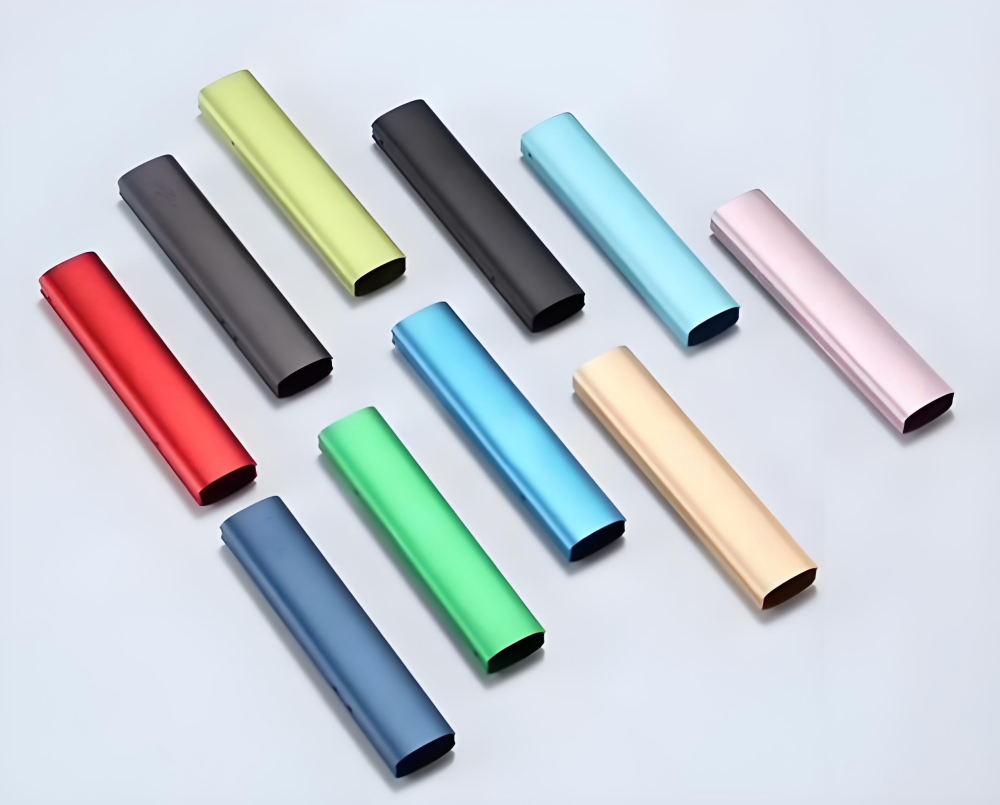
·Lightweight: The pursuit of portability in 3C products is endless. The density of aluminum (2.7 g/cm ³) is only 34% of that of steel, and it can significantly reduce weight at the same strength. For example, after adopting an aviation aluminum frame, the weight of the iPhone 15 Pro is reduced by nearly 10% compared to the previous generation, significantly improving grip comfort.
·Heat dissipation performance: The high performance of electronic devices has led to a significant increase in heat generation. The thermal conductivity of aluminum (237 W/m · K) far exceeds that of plastic (0.2 W/m · K) and magnesium alloy (156 W/m · K), making it the core material of heat dissipation components. For example, the ROG gaming phone can lower the chip temperature by more than 15 ℃ through an aluminum VC heat plate.
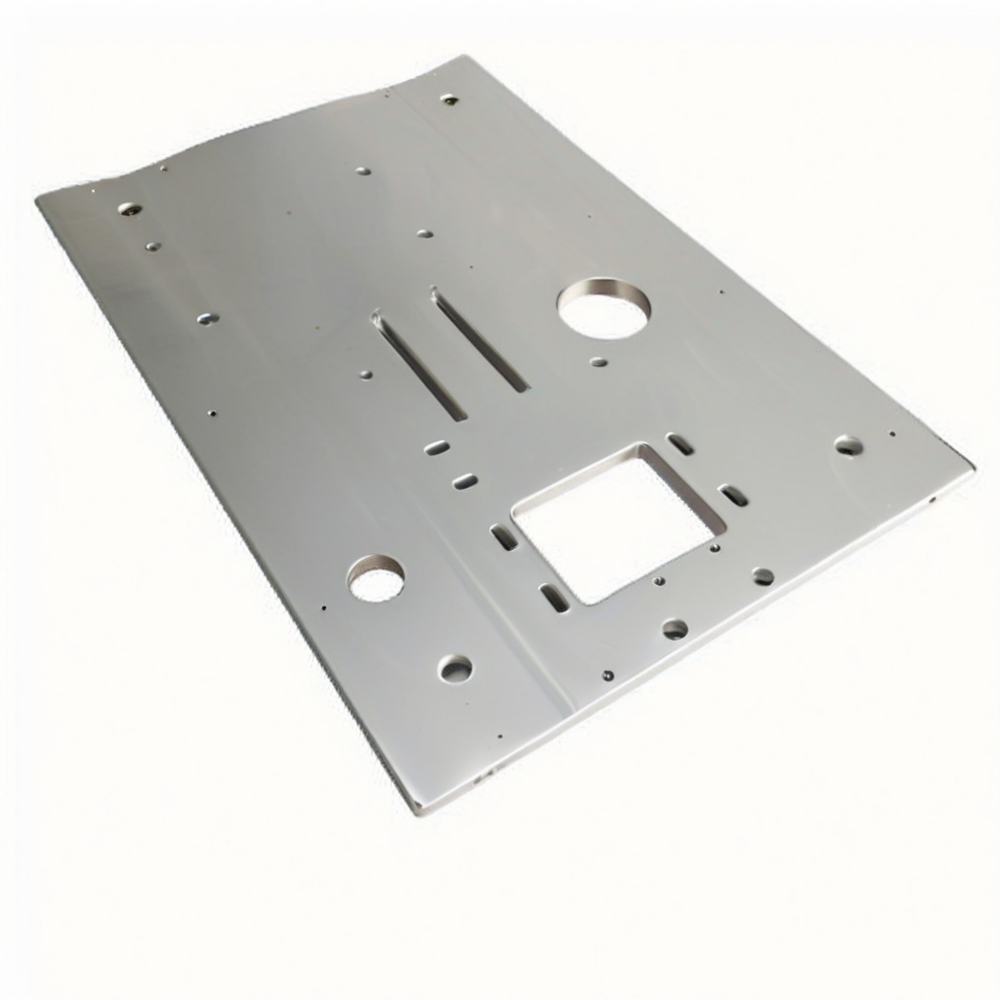
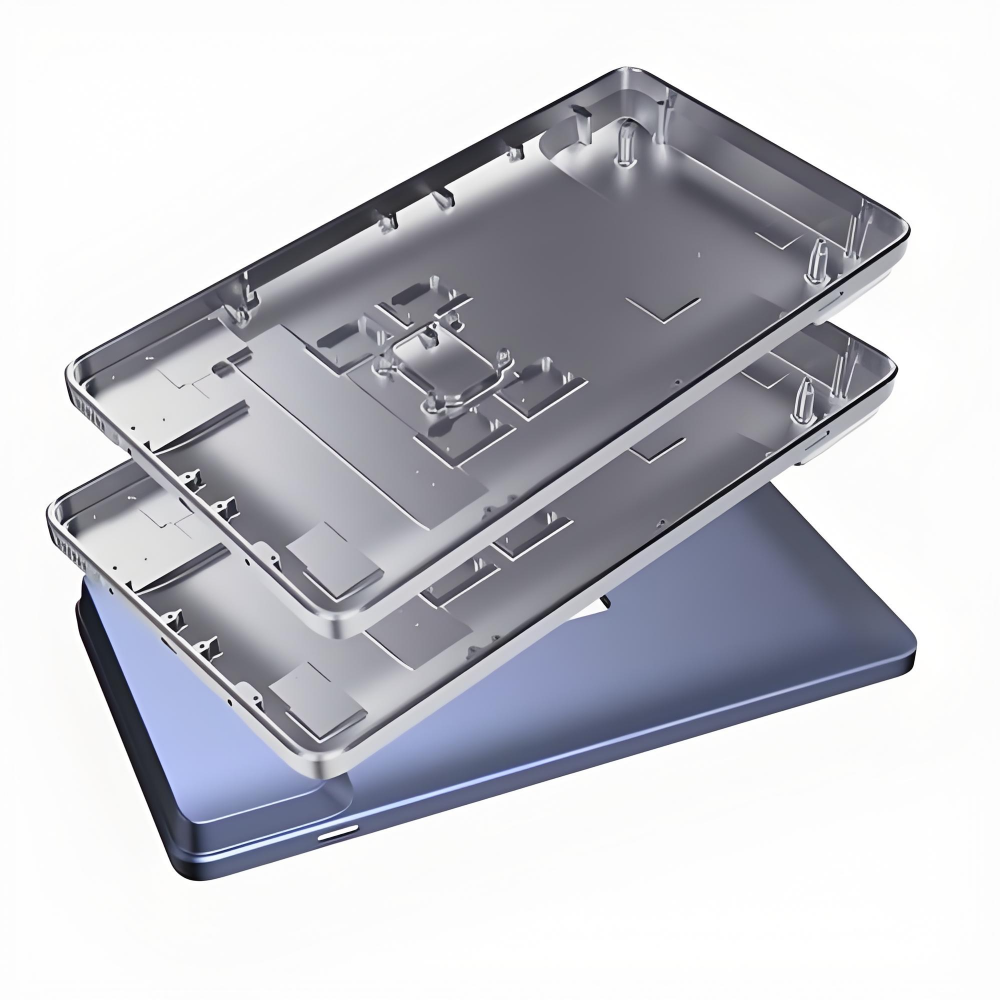
·Design freedom: Aluminum materials can achieve complex shapes through processes such as extrusion, die casting, CNC, etc. For example, the curved aluminum shell of the iPad Pro is molded through five axis CNC engraving, balancing the slim body and structural strength.
·Environmental Protection and Sustainability: The aluminum recycling rate is high and the performance of recycled aluminum is close to that of primary aluminum. Apple claims that recycled aluminum accounts for over 70% of its product aluminum, in line with the global trend towards carbon neutrality.






 Language