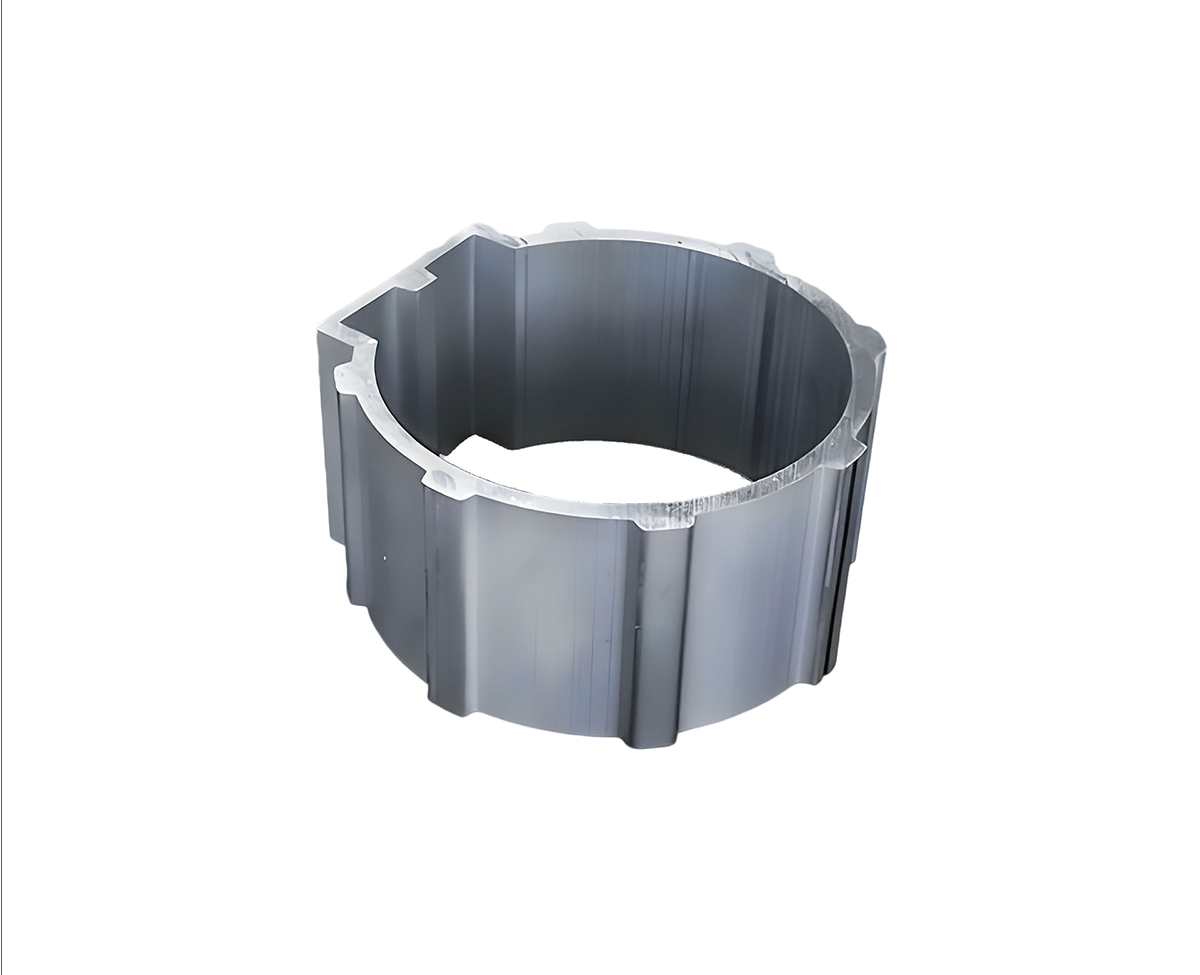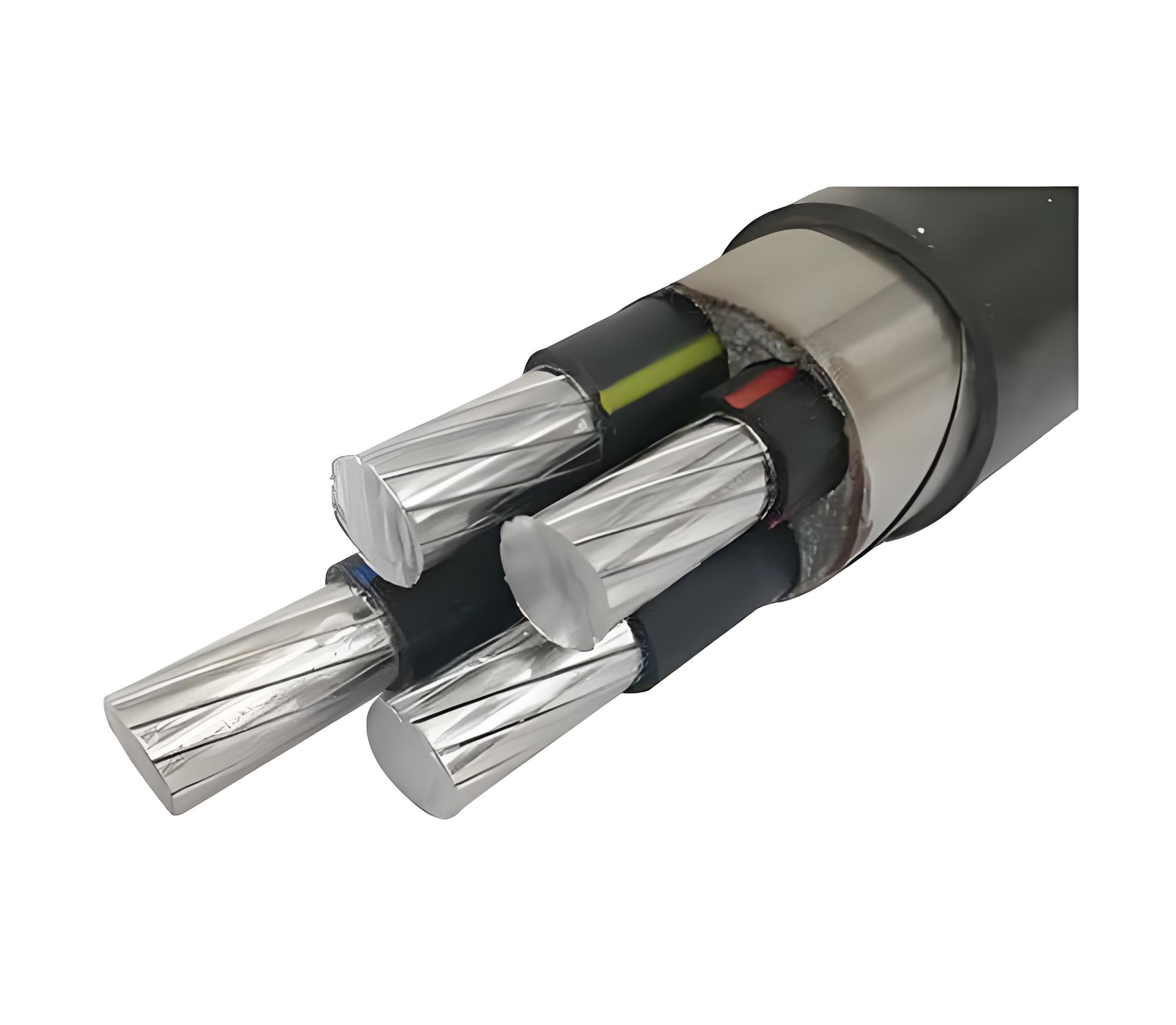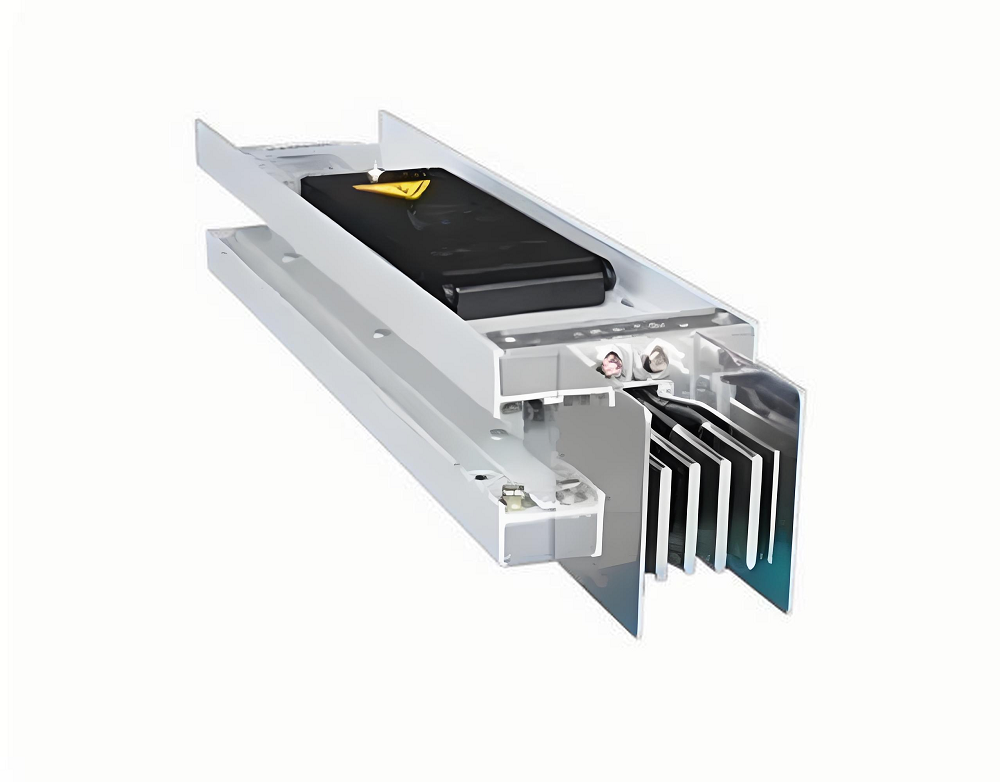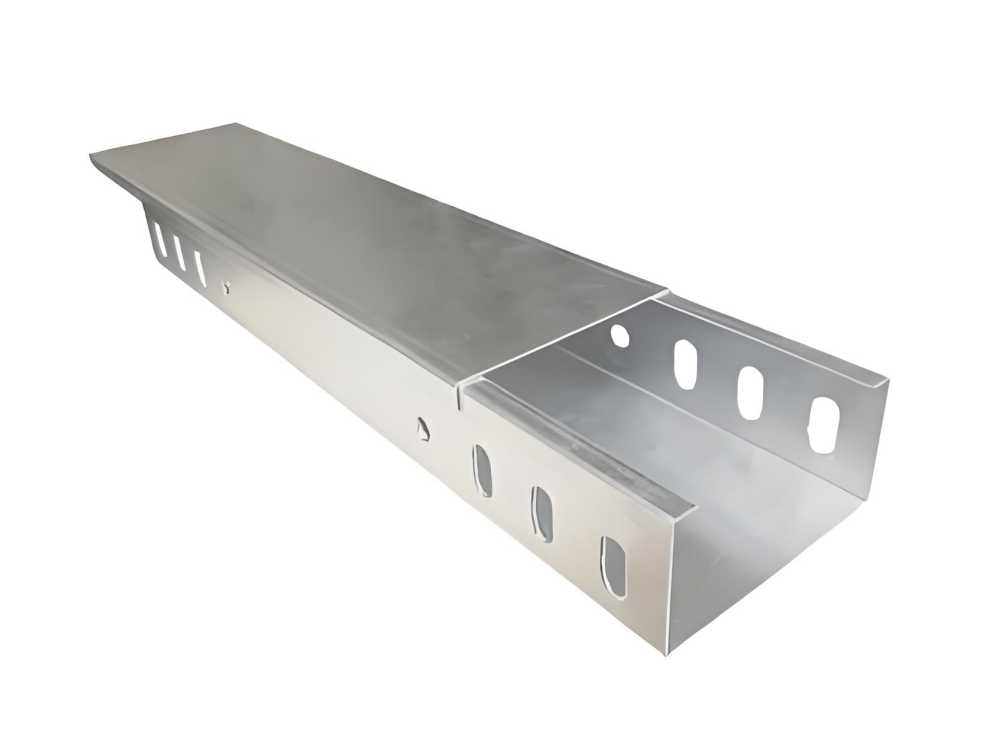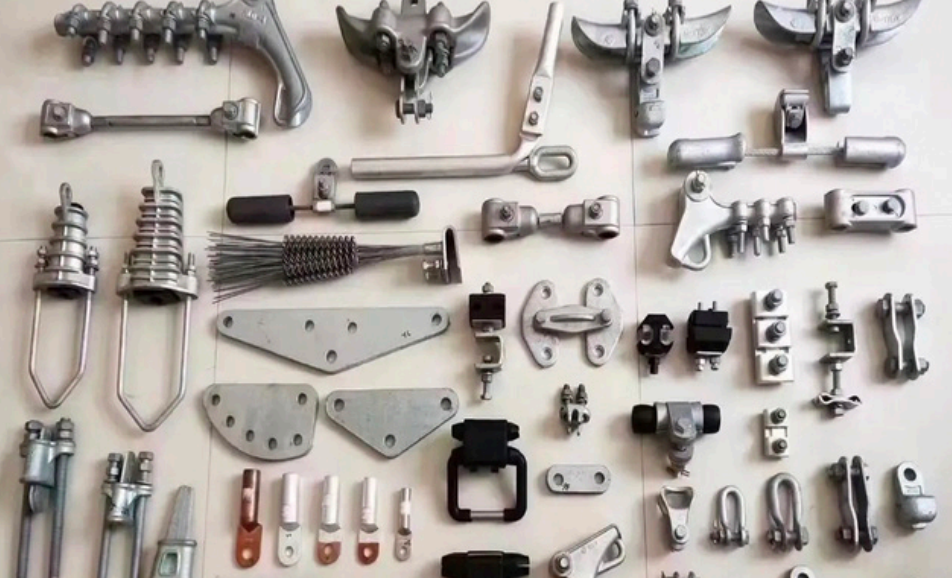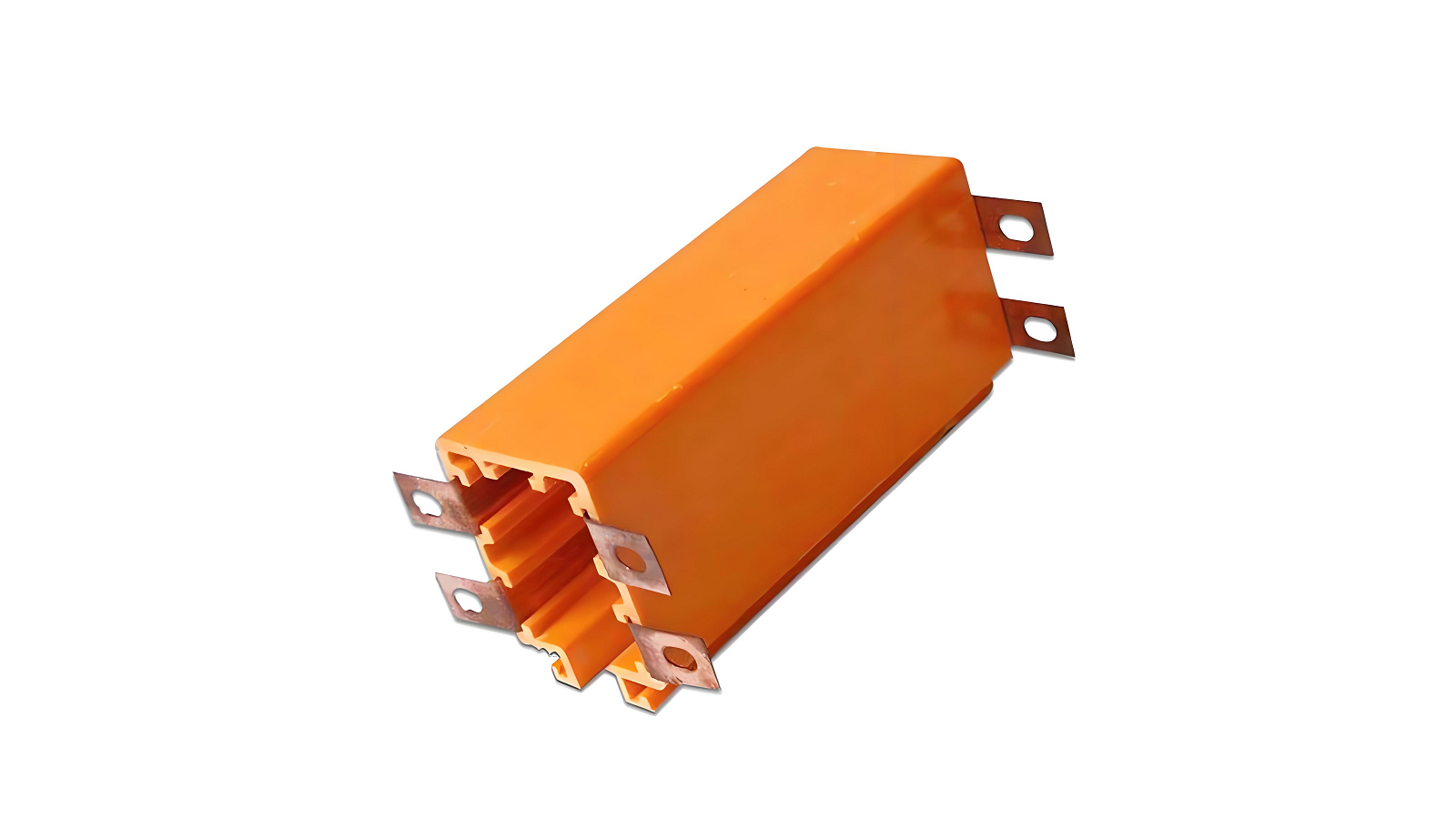
Cable sliding wire, also known as sliding contact wire, is a device used to supply power to moving equipment. It mainly consists of two parts: the sliding guide rail (fixed part, connected to the power supply) and the collector (sliding part, which can slide on or inside the sliding track and come into contact with the copper strip for power supply). This power supply method is particularly suitable for situations that require continuous or intermittent mobile power supply, such as lifting machinery in factories, stations, ports, and modern production lines.
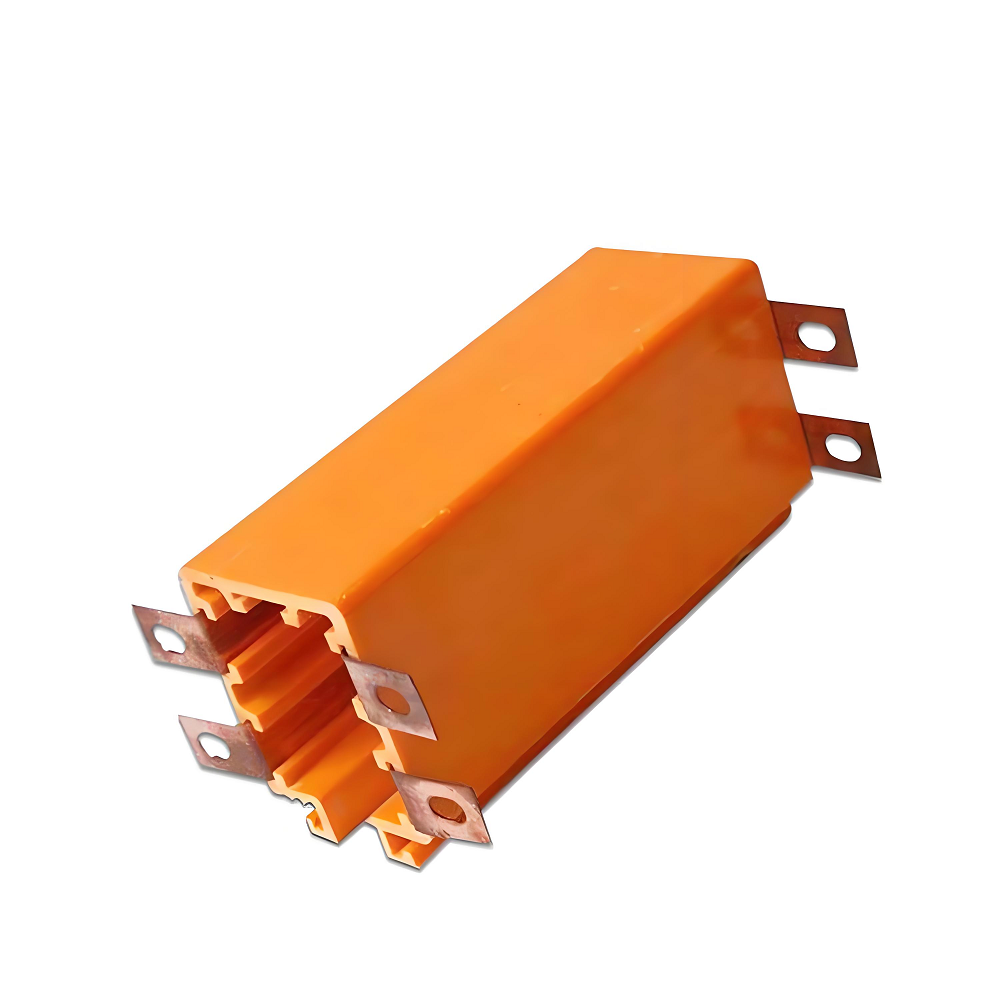
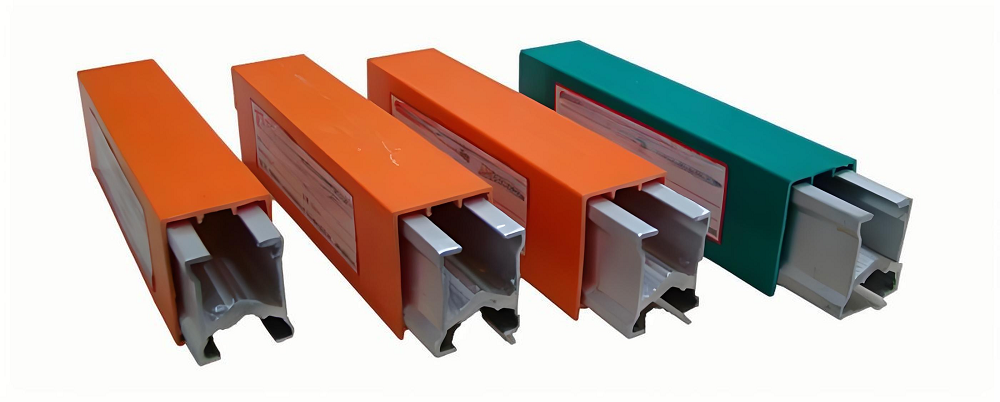
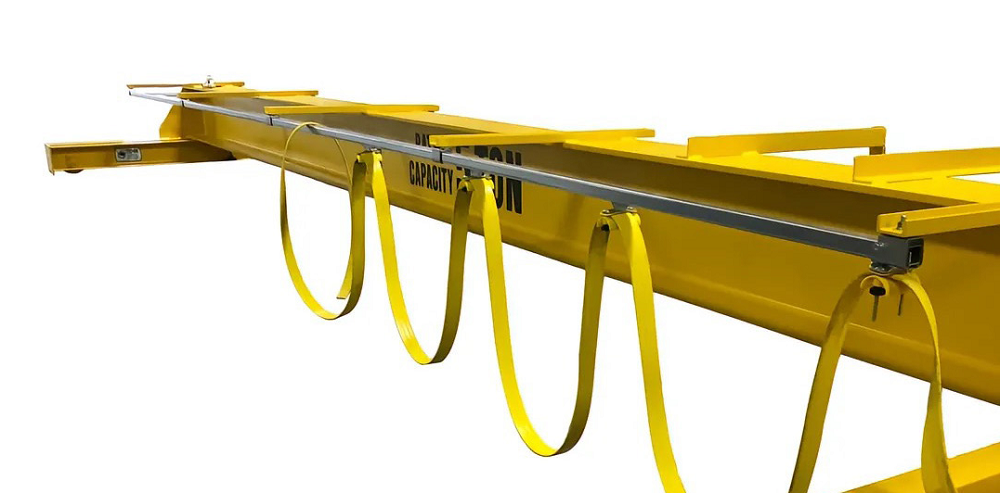
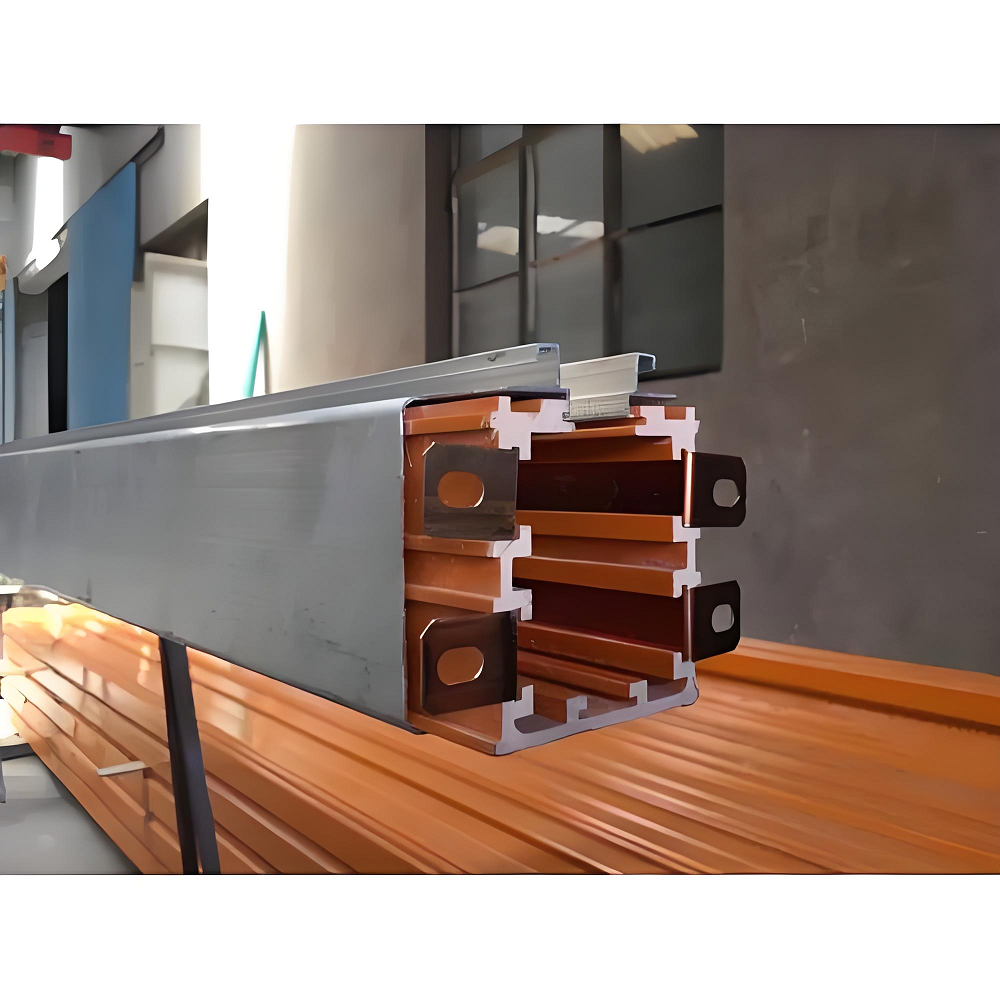
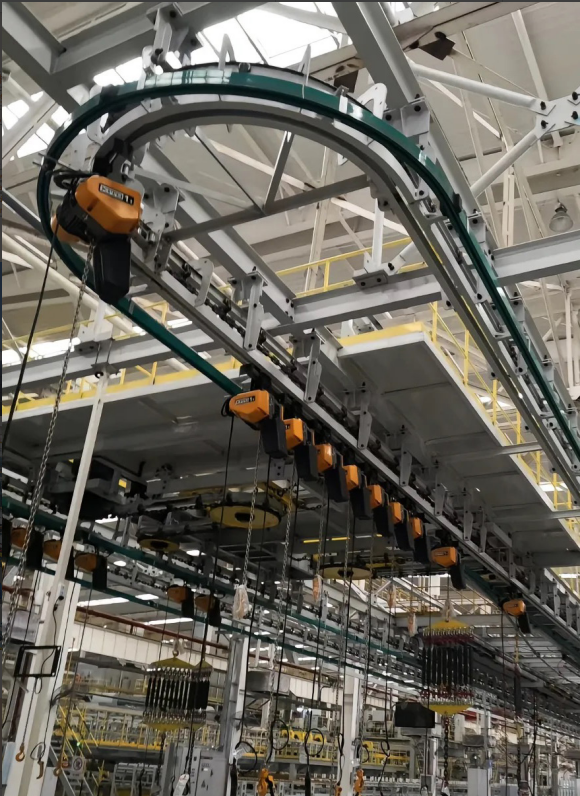
The electric sliding wire, with "dynamic conductivity reliability" as its core, solves the drag and tear, short circuit risk, and range limitation of traditional cable power supply in mobile devices through material combination (aluminum/composite material), structural innovation (closed slot/multipole combination), and scene adaptation (high temperature/corrosion/mobile working conditions). Its value lies not only in replacing cables to reduce maintenance costs, but also in becoming a key node for power transmission in industrial automation (such as smart workshops and smart ports) through modular and intelligent design.
Having the ability to develop aluminum alloys, we can match alloy combinations according to different performance requirements of customers, which not only meets their needs for product performance and lightweight, but also achieves cost savings.
Based on the precision and performance requirements of the product, we can independently design the production process route, which greatly improves the performance of the welded parts and ensures the dimensional accuracy of the assembly.
Having the ability to develop and modify extrusion and stamping molds, reducing mold development costs.
Having automated extrusion production lines and CNC production lines reduces labor costs.
We have advanced production lines for surface treatment such as oxidation, electrophoresis, and painting, which can meet different customer requirements while reducing equipment investment costs.
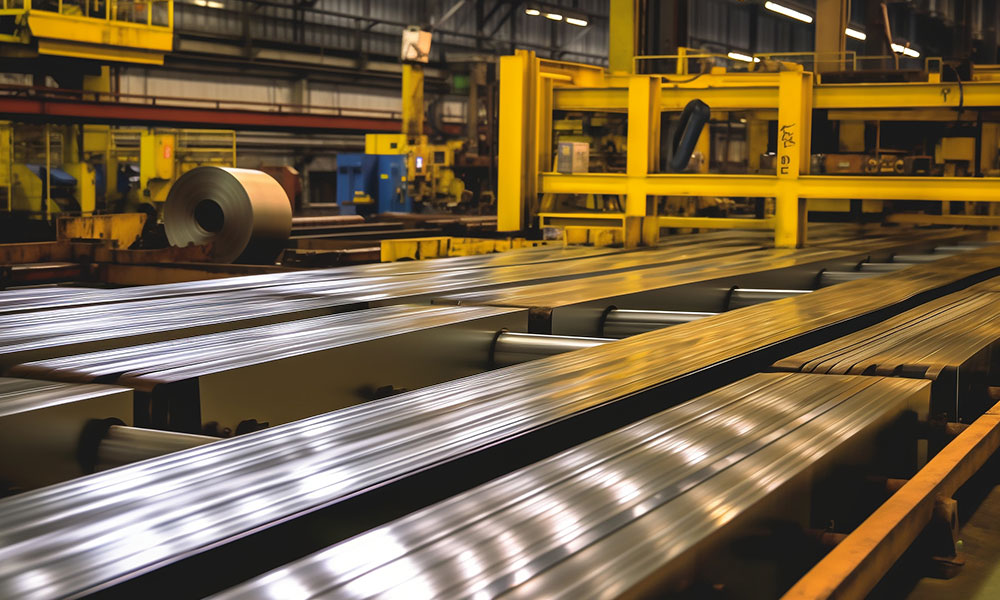
The group currently has over 150 extrusion production lines ranging from 600 to 10000 tons, with an annual production capacity of 800000 tons, of which 40% are over 2000 tons. Including various specifications of extruders ranging from 500 tons to 10000 tons, the Sixth Factory is mainly dedicated to the production of industrial profiles and automotive lightweight profiles, with sufficient production capacity to meet customers' extrusion needs of various sizes and specifications.
We have established a national level standardized testing center, which has been accredited by the China National Accreditation Service for Conformity Assessment (CNAS) and accredited by the China National Accreditation Service for Conformity Assessment (CMA); There are 13 high standard laboratories jointly established, including chemical analysis laboratory, metallographic laboratory, mechanical performance laboratory, physical performance laboratory, spectroscopy laboratory, salt spray laboratory, and aging laboratory. Key instruments and equipment are imported from countries such as the United States, Germany, and Israel.
The aluminum extrusion experience of the group has a development history of more than 20 years. After years of verification and accumulation, a rich database of data and experience has been formed, including product databases, design standards, analysis specifications DFMEA、PFMEA、 Control plan, process validation data, etc.






 Language